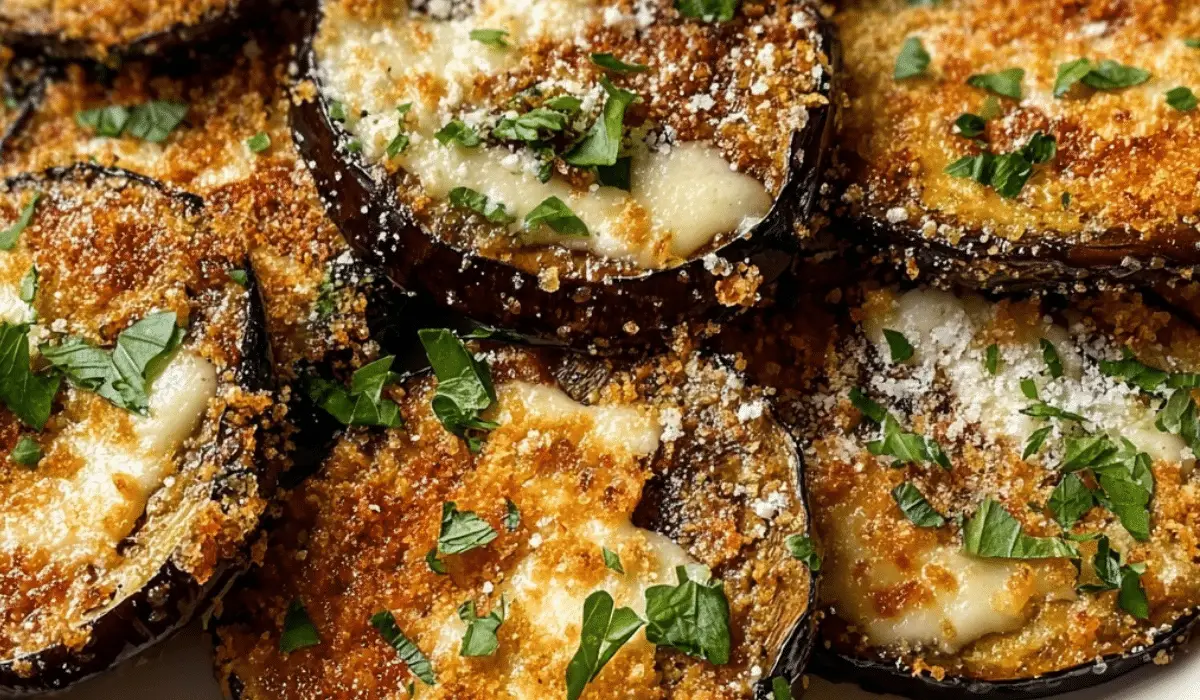
Master Crispy Baked Eggplant: The Salting Trick for Perfection
For too long, eggplant has suffered from a reputation it doesn't deserve. Mention "baked eggplant," and many conjure images of soggy, oil-laden slices or bitter, unappealing textures. The quest for truly crispy, golden-brown eggplant without resorting to a deep-fryer has been a culinary holy grail for home cooks. But what if we told you the secret to transforming this humble purple vegetable into a star side dish or even a main course is simpler than you think, rooted in a centuries-old technique? Welcome to the world of perfectly **baked eggplant**, where a game-changing salting trick unlocks an unparalleled crunch and flavor that will turn even the staunchest eggplant skeptic into a devoted fan.
My own journey from eggplant avoidance to evangelism began with a revelation. Like many, I’d dismissed eggplant as a sponge-like ingredient that soaked up oil, often tasted bitter, and rarely delivered on the promise of crispiness unless submerged in hot fat. That perception shattered one summer afternoon in upstate New York, at my aunt’s house. She served a platter of oven-baked eggplant rounds – uniformly golden, audibly crunchy, and utterly devoid of any bitterness. They were rich, satisfying, and tasted nothing like the eggplant I knew. Her secret, a blend of smart prep and simple pantry staples, centered around salting the eggplant, letting it rest, using panko breadcrumbs, and baking at high heat on a preheated sheet pan. This experience wasn't just a recipe; it was a complete culinary paradigm shift, proving that a truly crispy, creamy inside, crispy outside **baked eggplant** was not only possible but incredibly easy.
Unlocking the Magic: Why Salting Eggplant is Non-Negotiable
The single most pivotal step in achieving truly crispy **baked eggplant** that rivals its deep-fried counterparts is the art of salting. This isn't just a seasoning step; it's a fundamental preparatory technique that addresses eggplant's inherent challenges head-on. Eggplant, by nature, is incredibly porous and contains a high water content, which is why it often turns soggy in the oven. It also contains compounds that, for some palates, can lend a bitter aftertaste. Salting is the elegant solution to both.
When you generously salt eggplant slices, the magic of osmosis begins. The salt draws out excess moisture from within the eggplant's cells, causing tiny beads of water to appear on its surface. This process not only makes the eggplant denser and "meatier" in texture but, crucially, reduces the internal water content that would otherwise steam the eggplant in the oven, preventing it from crisping up. Simultaneously, the salt helps to extract and neutralize those bitter compounds, leaving you with a milder, more palatable flavor profile. Skipping this step is the most common reason for disappointing results – the eggplant turns rubbery, becomes a flavor sponge for oil rather than crisping, or simply tastes "off."
Here’s how to execute this critical step for your **baked eggplant**:
1.
Slice with Precision: Begin by slicing your eggplant into uniform half-inch rounds. Consistency in thickness ensures even salting and baking.
2.
Season Generously: Lay the eggplant slices flat in a single layer on a cooling rack set over a baking sheet, or on a paper towel-lined tray. Sprinkle a generous amount of coarse salt (kosher salt works wonderfully) over both sides of each slice. Don't be shy; much of this salt will be patted away.
3.
Let it Sweat: Allow the salted eggplant to sit for at least 30 minutes, though an hour is even better. You'll visibly notice beads of moisture forming on the surface – this is your goal!
4.
Pat Dry, Don't Rinse: Once the time is up, use a clean kitchen towel or paper towels to thoroughly pat dry each eggplant slice. Press firmly to extract as much moisture as possible. Resist the urge to rinse the eggplant; you'll remove the salt and compromise the moisture extraction. The residual salt will enhance the flavor without making it overly salty, as much of it drains away with the water.
This vital preparatory stage is the bedrock for
Crispy Baked Eggplant That Stays Crunchy: No Fry Secrets. It ensures that when your eggplant hits the heat, it's ready to achieve that coveted golden crispness rather than just steaming itself into submission.
Beyond the Brine: Crafting the Perfect Crispy Coating
Once your eggplant is perfectly prepped and moisture-free, the next layer of crispy perfection comes from its coating. While many recipes opt for standard breadcrumbs, the secret to a truly exceptional crunch lies in a specific breading combination: flour, egg wash, and crucially, panko breadcrumbs.
Why panko? Unlike traditional breadcrumbs, panko are Japanese-style breadcrumbs known for their lighter, airier, and flakier texture. They absorb less oil, preventing greasiness, and their larger surface area creates more pockets for crispy texture when baked. They provide an undeniable crunch that regular breadcrumbs simply can't match for **baked eggplant**.
Here's a detailed guide to crafting your perfect coating:
1.
Set Up Your Dredging Station: Arrange three shallow dishes or plates in an assembly line:
* **Dish 1 (Flour):** All-purpose flour, seasoned with a pinch of salt and black pepper, and optional garlic powder or paprika for extra flavor.
* **Dish 2 (Egg Wash):** Whisk 2-3 large eggs with a tablespoon of water or milk until well combined.
* **Dish 3 (Panko):** Panko breadcrumbs, generously seasoned with grated Parmesan cheese (for a savory, nutty depth), Italian seasoning, garlic powder, onion powder, and a touch of red pepper flakes for a subtle kick.
2.
Dredge with Care: Take one eggplant slice at a time and follow these steps:
* **Flour:** Lightly dredge the eggplant in the seasoned flour, ensuring both sides are coated. Shake off any excess. This provides a dry surface for the egg wash to adhere to.
*
Egg Wash: Dip the floured eggplant into the egg wash, making sure it’s fully coated. Let any excess egg drip off. This acts as the "glue."
*
Panko: Finally, press the eggplant firmly into the seasoned panko breadcrumbs, ensuring an even and generous coating on both sides. Don't be afraid to really press the crumbs on to maximize the crunch.
3.
Repeat and Arrange: Place the breaded eggplant slices on a clean baking sheet or wire rack as you go. For an even crispier result, you can lightly mist or spray the breaded slices with olive oil cooking spray just before baking. This helps achieve that beautiful golden-brown color and extra crunch.
This meticulous breading process is what truly elevates **baked eggplant**, setting the stage for a texture that's crispy on the outside and wonderfully creamy on the inside.
The Heat is On: Baking for Optimal Crunch
With your eggplant prepped and perfectly coated, the final crucial step is the baking itself. This is where the magic of high heat and a smart technique come together to transform your prepared slices into golden, crunchy masterpieces. The goal is rapid moisture evaporation and the Maillard reaction (the chemical reaction responsible for browning and delicious flavor) – something only achievable with a hot oven and the right setup.
1.
Preheat for Success: This is non-negotiable. Preheat your oven to a high temperature, typically 400-425°F (200-220°C). Crucially, place your baking sheet or sheets into the oven as it preheats. A hot oven is important, but a preheated baking sheet is paramount for instant searing. This immediate contact with a hot surface prevents the eggplant from sticking and ensures it starts crisping the moment it enters the oven, rather than slowly heating up and steaming.
2.
Arrange Without Crowding: Once the oven and baking sheet are fully preheated, carefully remove the hot sheet. Arrange the breaded eggplant slices in a single layer on the hot sheet. Do not overcrowd the pan; leave space between each slice to allow air to circulate. Overcrowding will lower the pan's temperature and cause the eggplant to steam instead of crisp. If necessary, use two baking sheets and bake in batches or on separate racks, rotating halfway through.
3.
Bake to Golden Perfection: Bake for 15-20 minutes, then carefully flip the eggplant slices and continue baking for another 10-15 minutes, or until both sides are deeply golden brown and audibly crispy. Keep a close eye on them during the final minutes, as ovens can vary. The high heat ensures quick moisture evaporation and beautiful browning.
4.
Parchment Paper or Silicone Mat: For easier cleanup and to further prevent sticking, you can line your preheated baking sheet with parchment paper or a silicone baking mat. Ensure these are also hot when the eggplant is placed on them.
This high-heat, preheated pan method ensures a superior crunch compared to simply roasting eggplant for tenderness. While there's a place for
Easy, Healthy Oven Baked Eggplant: Tender, Flavorful & Versatile, designed for a softer texture, our focus here is on achieving that satisfying crispy exterior.
Versatility and Health Benefits: More Than Just a Side
The beauty of perfectly crispy **baked eggplant** extends far beyond its incredible taste and texture. This versatile dish can elevate countless meals and offer a healthy alternative to traditional fried versions.
*
A Culinary Chameleon: Enjoy your crispy eggplant hot off the pan with a sprinkle of fresh parsley and a side of marinara sauce or a creamy garlic yogurt dip. Layer it into sandwiches or wraps for a satisfying vegetarian crunch. Pile it onto salads for added texture and substance. It makes an excellent side dish for grilled chicken, fish, or pasta. Think outside the box: use it as a base for mini bruschetta, layer it into a "no-noodle" vegetarian lasagna, or even turn it into healthy "eggplant fries" for a fun appetizer.
*
Healthy and Nutritious: Beyond its culinary adaptability, eggplant itself is a powerhouse of nutrition. It's a low-calorie, nutrient-dense vegetable packed with vitamins (especially B6 and K), minerals (like manganese, folate, and potassium), and dietary fiber. Choosing **baked eggplant** over deep-fried versions dramatically cuts down on unhealthy fats and calories, making it an excellent choice for those looking to incorporate more vegetables into their diet without sacrificing flavor or satisfaction. It allows the mild, earthy flavor of the eggplant to shine through, unmasked by excessive oil.
In a world where comfort food often comes with a side of guilt, crispy **baked eggplant** offers a delicious, wholesome alternative. It's proof that you don't need to smother this purple veggie in layers of cheese or deep-fry it to make it shine.
Conclusion
No longer must eggplant be a culinary disappointment. By mastering the fundamental "salting trick" – drawing out excess moisture and bitterness – and combining it with the right coating and a high-heat baking technique, you can consistently achieve incredibly crispy, golden-brown **baked eggplant** every single time. This method transforms a often-misunderstood vegetable into a dish that's crunchy on the outside, creamy on the inside, and bursting with flavor. Forget the soggy, the bitter, and the greasy; embrace the potential of perfectly prepared eggplant. Give this method a try, and rediscover the versatile, delicious, and healthy potential of this magnificent purple produce. Your taste buds, and your kitchen, will thank you.