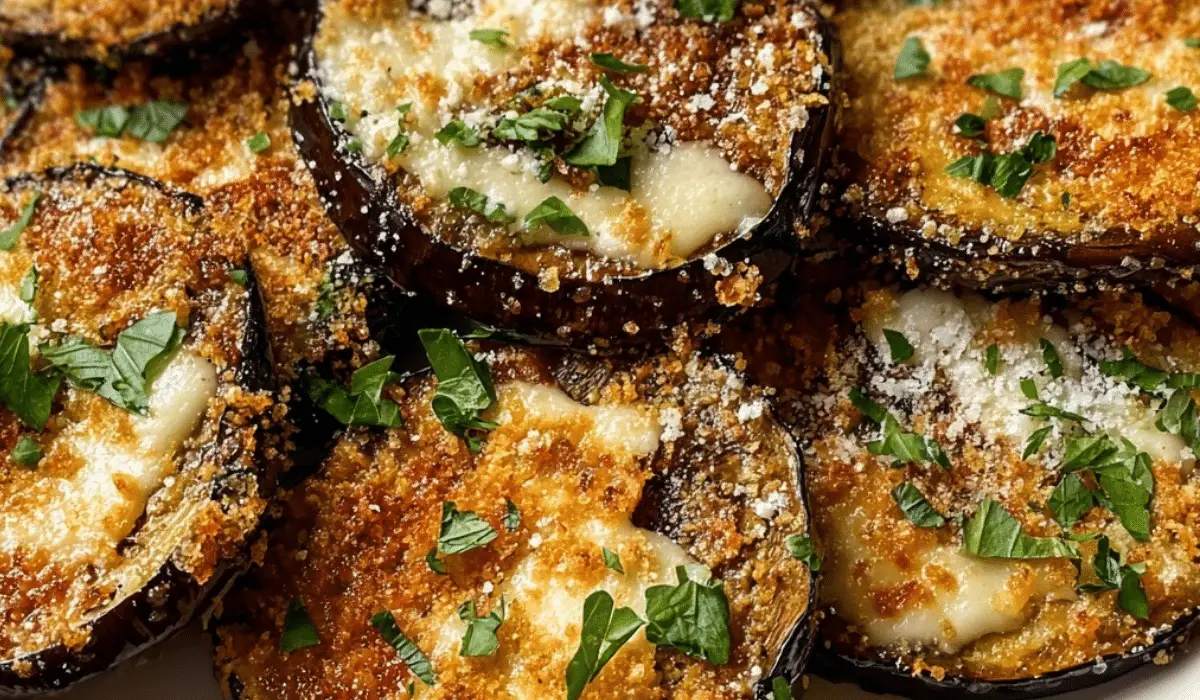
From Soggy Disappointment to Golden Perfection: The Baked Eggplant Revelation
For many home cooks, the idea of perfectly crispy baked eggplant feels like an elusive dream. We've all been there: hopeful slices of purple vegetable emerging from the oven, only to deflate into a limp, oily, and often bitter disappointment. Eggplant, with its sponge-like tendencies, seems destined to soak up oil and resist any attempt at achieving that coveted crunch without the deep-fryer. But what if there was a method – a truly foolproof technique – to achieve golden, exquisitely crunchy baked eggplant that truly *stays* crispy, even as it cools?
Prepare to transform your perception of this versatile vegetable. This isn't just another side dish; it's a culinary game-changer that turns skeptics into staunch advocates. Imagine tender, creamy insides encased in a shatteringly crisp exterior, rich in flavor, and completely free from the greasy residue of deep-frying. The secret lies not in complex ingredients or advanced techniques, but in a handful of smart preparation steps and the strategic use of your oven. Whether you’re looking for a healthier alternative to fried dishes, a versatile vegetable side, or simply a delicious way to enjoy eggplant, you’re about to discover how to unlock its full, crunchy potential.
The Unsung Hero: Why Salting Your Eggplant is Non-Negotiable
The journey to truly crispy baked eggplant begins with a step often overlooked, but absolutely crucial: salting. This isn't just a seasoning technique; it's a fundamental scientific process that addresses eggplant's inherent challenges, transforming its texture and flavor profile. If you've ever wondered why your baked eggplant turns out watery, rubbery, or unpleasantly bitter, the answer likely lies in skipping this vital pre-treatment.
Why Salting Matters: The Science of Moisture and Bitterness
Eggplant is notoriously high in water content. When baked, this internal moisture gets trapped, steaming the eggplant from within and preventing it from crisping up. Salting combats this by initiating osmosis: the salt draws out excess water from the eggplant’s cells. As moisture beads form on the surface, they carry with them any bitter compounds that might be present, especially in larger or older eggplants. The result? Denser, firmer slices of eggplant that are primed for crisping, boasting a milder, sweeter flavor.
Mastering the Salting Process: A Step-by-Step Guide
1.
Slice Uniformly: Start by slicing your eggplant into uniform ½-inch rounds or desired shapes. Consistency is key for even cooking and salting.
2.
Lay Flat: Arrange the eggplant slices in a single layer on a cooling rack set over a baking sheet, or on a paper towel-lined tray. This allows air circulation and space for moisture to drain.
3.
Salt Generously: Sprinkle a generous amount of coarse salt (kosher salt works wonderfully) over both sides of the eggplant slices. Don't be shy; the excess salt will be removed.
4.
Let it Rest: Allow the salted eggplant to sit for at least 30 minutes, though an hour is even better, especially for larger eggplants. You’ll visibly notice beads of moisture forming on the surface – this is precisely what you want!
5.
Pat Dry Thoroughly: Once resting time is complete, use a clean paper towel or kitchen cloth to firmly press and pat the eggplant slices completely dry. Don’t rinse the eggplant, as this will reintroduce moisture and negate your efforts. Simply press out as much liquid as possible. The goal is to make them as dry as a desert!
Skipping this step guarantees a soggy fate for your baked eggplant. It’s the foundational secret to a meaty texture and a delightful crunch. For an even deeper dive into this critical preparation, explore our detailed guide:
Master Crispy Baked Eggplant: The Salting Trick for Perfection.
Crafting the Ultimate Crunch: Coating and Baking Secrets
With your eggplant prepped and thoroughly dried, the stage is set for building that irresistible crispy exterior and ensuring a perfect bake. This phase involves two key components: the ideal coating and the strategic use of high heat with specific equipment.
The Perfect Triple-Threat Coating
Forget soggy, dense coatings. To achieve a light, airy, and truly crunchy crust, a classic three-step breading station is essential, with one critical upgrade: panko breadcrumbs.
1.
Seasoned Flour: In a shallow dish, combine all-purpose flour with a pinch of salt, black pepper, garlic powder, and maybe a touch of paprika or Italian seasoning. This initial layer ensures seasoning penetrates the eggplant and provides a dry surface for the egg wash to adhere to.
2.
Egg Wash: In another shallow dish, whisk a couple of eggs with a splash of milk or water. This acts as the binder for your breadcrumbs.
3.
Panko Power: This is where the magic happens. In a third shallow dish, place panko breadcrumbs. Panko, a Japanese-style breadcrumb, is coarser, flakier, and lighter than traditional breadcrumbs, meaning it absorbs less oil and fries up much crisper. For an extra layer of flavor, consider mixing in some grated Parmesan cheese, dried herbs, or a pinch of cayenne pepper into your panko.
The Dredging Technique:
Working with one slice at a time, dredge the eggplant first in the seasoned flour, shaking off any excess. Then, dip it into the egg wash, allowing excess to drip off. Finally, press it firmly into the panko breadcrumbs, ensuring an even and thorough coating on both sides. Arrange the coated slices on a separate clean tray, ready for the oven.
High Heat and the Preheated Pan: Non-Negotiable for Crispness
Once coated, it's time to unleash the power of your oven. Two factors here are absolutely non-negotiable for achieving that deep golden crisp:
1.
Sizzling High Heat: Preheating your oven to a blazing 425-450°F (220-230°C) is critical. High heat promotes rapid moisture evaporation from the eggplant and its coating, preventing steaming and encouraging the Maillard reaction (the browning that creates rich, complex flavors). This intense heat is what mimics the effect of frying, without the oil.
2.
The Preheated Sheet Pan: This is a secret weapon. Place your empty baking sheet (preferably a heavy-duty one for better heat retention) into the oven while it preheats. Once hot, carefully remove the pan and lightly coat it with a high-smoke-point oil (like avocado or grapeseed oil) or non-stick spray. Immediately arrange your coated eggplant slices in a single layer on the screaming hot pan, leaving ample space between each piece for air circulation. The instant sizzle upon contact creates an immediate crisp bottom, sealing in moisture and ensuring an even bake.
Bake for 15-20 minutes, then carefully flip each slice and bake for another 10-15 minutes, or until deeply golden brown and audibly crisp. Keep an eye on them, as oven temperatures can vary. The result will be a beautifully crisp exterior and a tender, creamy interior – a healthy and flavorful delight. To explore more about the balance of tenderness and flavor in oven-baked eggplant, check out
Easy, Healthy Oven Baked Eggplant: Tender, Flavorful & Versatile.
Beyond the Pan: Serving Suggestions & Flavor Pairings
Once you've mastered the art of crispy baked eggplant, a world of culinary possibilities opens up. This versatile dish isn't just a side; it can star in appetizers, main courses, and quick snacks, offering a nutritious and satisfying addition to any meal.
Versatile Serving Ideas:
- Stand-Alone Snack or Appetizer: Serve warm, straight from the oven, with a side of marinara sauce, a garlicky yogurt dip, or fresh pesto for a delightful snack or party appetizer.
- Substitutes for Fried Eggplant: Use these crispy slices in place of traditional fried eggplant in dishes like eggplant Parmesan (layer them with cheese and sauce, then bake), or in baked eggplant lasagna for a lighter, less greasy version.
- Sandwiches and Wraps: Layer them into hearty sandwiches with fresh mozzarella, basil, and roasted red peppers, or chop them and add to vegetarian wraps for extra texture and flavor.
- Salad Topper: Add a fantastic crunch to any green salad. They pair exceptionally well with a Mediterranean-inspired salad featuring feta, olives, and cherry tomatoes.
- Bruschetta Alternative: Top toasted baguette slices with crispy eggplant, diced tomatoes, fresh basil, and a drizzle of balsamic glaze for a unique bruschetta.
Perfect Flavor Pairings:
Crispy baked eggplant acts as a fantastic canvas for a variety of flavors, complementing both light and robust dishes.
- Mediterranean Marvels: Its subtle sweetness and tender texture pair beautifully with bright, fresh flavors. Think alongside grilled halloumi, a vibrant tabbouleh, or drizzled with tahini sauce.
- Italian Inspirations: A natural fit for classic Italian fare. Serve it with a hearty tomato zucchini pasta, as a side to chicken cacciatore, or simply with a rich marinara for dipping.
- Grilled Complements: The crunch of the eggplant is a wonderful contrast to tender grilled meats or skewers. Try it next to succulent garlic parmesan chicken skewers or a perfectly seared steak.
- Global Fusion: Don't limit yourself! Experiment with curry dipping sauces, sriracha mayo, or a vibrant chimichurri to give your baked eggplant an international twist.
Beyond its delicious taste and satisfying texture, baked eggplant is also a healthy choice. It's low in calories, rich in fiber, and packed with essential vitamins and minerals, making it a nutritious addition to any meal plan.
Conclusion
The journey to crispy baked eggplant that truly stays crunchy might seem like a quest, but with the right techniques, it’s entirely achievable. By embracing the power of salting to banish excess moisture and bitterness, opting for the superior crunch of panko breadcrumbs, and harnessing the intense heat of a preheated oven and baking sheet, you can transform this often-misunderstood vegetable into a culinary delight. No longer will you dread the soggy aftermath; instead, you'll celebrate every golden, satisfying bite. So, ditch the deep-fryer, arm yourself with these "no-fry secrets," and prepare to rediscover the humble eggplant in all its magnificent, crispy glory. Your taste buds—and your healthy eating goals—will thank you.